Market Analysis
Analysing private-label pricing without assuming equal quality
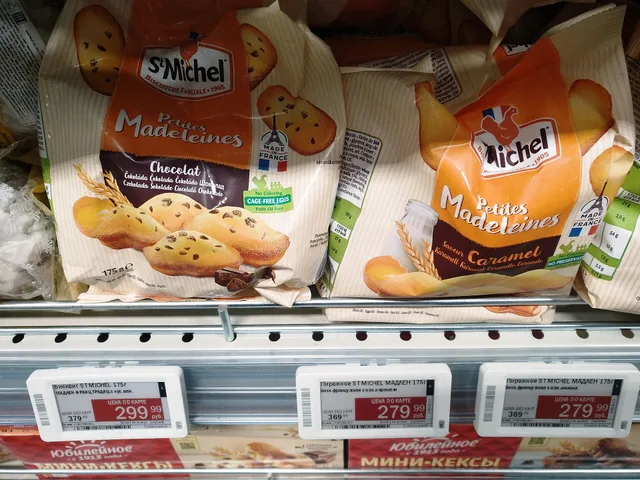
An own-label item may be cheaper than a branded alternative, but the shelf-price gap is only the start of a useful comparison. Pack size, ingredients or materials …

Author
Subject: Australian retail market analysis. Which details change the comparison? Practical guides, comparisons and the questions behind a choice form this editorial remit. Emily A. White is the editorial byline assigned to this area. The emphasis is on useful distinctions rather than a universal recommendation. This is an editorial pen name used by the publication, not a claim of an independently verified personal identity.
Market Analysis
An own-label item may be cheaper than a branded alternative, but the shelf-price gap is only the start of a useful comparison. Pack size, ingredients or materials …
Shopper Research
Learn which sample, eligibility, response and question details matter before comparing published retail satisfaction scores.
Retail Economics
Check a retailer's target boundary, baseline, deadline, emissions scopes and reported progress before describing it as achieved or on track.
Retail Formats
Learn how to define a click-and-collect promise, handle stock and pickup exceptions, and assess reliability and cost.
Shopper Research
Understand when shopper studies can compare convenience with price or value, and when question wording makes the figures incompatible.
Shopper Research
Compare passing movements, store entries and walk-in transactions before using foot traffic to judge an Australian retail site.
Market Analysis
Compare stock quantities, the selling window and likely proceeds before describing high retail inventory as overstock.
Retail Formats
Compare new retail stores with mature sites using cohorts, comparable-sales definitions and network contribution without overstating public data.
Market Analysis
Compare Australian retail categories by checking business versus product definitions, category boundaries and changes between ABS series.
Retail Formats
Compare specialty and general merchandise stores by range, advice, access and the shopping task, while keeping Australian classification limits in view.
Shopper Research
Compare retail surveys and transaction data by their units, coverage and dates, then choose wording their relationship can support.
Market Analysis
Separate a retailer’s technology plans, installation and launch from measured service, cost and earnings outcomes.
Market Analysis
Average selling price can rise because each item costs more, or because customers buy a greater share of premium items. Those lead to different decisions. A …
Shopper Research
Separate what shoppers say from what transaction data records, and avoid treating aggregate differences as proof of individual motives.
Market Analysis
Trace an acquisition from control to documented operating changes while keeping division results within their limits.
Shopper Research
Check whether evidence shows a change in Australian shopping habits by matching behaviour, population, period and data coverage.
Retail Economics
Separate recyclable design, recycled content, collection and measured waste outcomes when assessing Australian retail packaging claims.
Retail Formats
Assess smaller retail stores by customer task, range, replenishment costs and their effect on the wider network.
Market Analysis
Distinguish a short-run retail category signal from a sustained trend, and state what further Australian data would test the claim.
Retail Economics
Check the definition, timing and asset reconciliation behind a retailer’s capital expenditure figure.
Retail Economics
Interpret Australian retail workforce figures by separating people, filled jobs, total jobs and hours, with the right industry and reference period.
Scenario Outlook
Report differences in boundaries, denominators, years and estimates before comparing retailers' published environmental results.
Market Analysis
Assess Australian retail network growth using openings, closures, store formats, comparable sales and the economics of new locations.
Scenario Outlook
Follow a retailer’s investment from commitment and delivery to operating change and the limits of reported returns.
Scenario Outlook
Build an Australian retail outlook from observed measures, explicit assumptions, conditional scenarios and decision triggers.
Market Analysis
Understand why Australian industry turnover, a retailer’s sales measure and reported revenue can differ, and how to compare them.
Market Analysis
Read Australian retail availability, inventory, replenishment and demand signals together, with the limits of industry data in view.
Market Analysis
Check the boundary, measure and evidence behind Australian retail sustainability claims, from packaging and waste to emissions targets.
Market Analysis
Audit a past retail forecast against a matched outcome, calculate its error and identify which assumptions need to change.
Retail Economics
Calculate retail sales per square metre, check which sales and floor area are counted, and see why the result is not a profit measure.
Market Analysis
Classify retail observations, completed actions, plans and interpretations before calling a change a trend.
Market Analysis
Set a measurable retail hypothesis before later data arrives, then check eligibility, results and alternative explanations.
Shopper Research
Compare retail service expectations across reports by matching questions, shopper groups and field dates before claiming a trend.
Market Analysis
Use one sales record and separate channel attributes to reconcile online, store and collection reports without counting purchases twice.
Retail Economics
Assess Australian store opening hours through local trading rules, marginal customer demand, staffing conditions and complete incremental cost.